






















Questions 46-53: Read the passage carefully.
The Evolution of Renewable Energy
Renewable energy has become a significant component of the global energy landscape, especially in light of the increasing environmental concerns and the urgency of combating climate change. Among the various forms of renewable energy, solar, wind, and hydropower have gained particular attention due to their potential to provide clean and sustainable energy solutions.
The solar energy sector has witnessed remarkable advancements over the past few decades. Photovoltaic cells, which convert sunlight directly into electricity, have seen improvements in efficiency, making them more accessible for residential and commercial use. With the decrease in manufacturing costs, more people are investing in solar panels, leading to a surge in solar farms. These large-scale projects not only contribute to reducing carbon emissions but also create jobs and
stimulate local economies.
Wind energy is another rapidly growing sector. Wind turbines, which convert the kinetic energy of wind into electricity, have been installed in both onshore and offshore locations. Offshore wind farms, in particular, are becoming more popular as they can harness stronger and more consistent winds. Countries such as Denmark and the United Kingdom are leading the way in offshore wind capacity, reaping the benefits of this renewable resource.
Hydropower, derived from the movement of water, has been utilized for centuries. Traditional hydroelectric plants generate electricity by using the flow of water to turn turbines. However, modern technologies have made it possible to harness energy from smaller streams and rivers, yielding more sustainable and less intrusive options. As societies become aware of the ecological impacts of large dam projects, small-scale hydropower solutions are increasingly favored.
Despite the undeniable benefits of renewable energy, challenges remain. The intermittent nature
of solar and wind energy requires efficient storage solutions to ensure a constant supply of electricity. Furthermore, the transition from fossil fuels to renewables is a complex process that involves economic, political, and social factors. Developing countries, in particular, face hurdles in financing and implementing renewable technologies.
In conclusion, renewable energy represents a pivotal shift in how the world approaches energy production. As technology advances and costs decrease, it is likely that renewable sources will become the dominant form of energy supply in the coming years. Understanding the evolution of renewable energy is crucial for all stakeholders as they navigate the transition towards a more sustainable future.
Questions 46-53: Read the passage carefully.
The Evolution of Renewable Energy
Renewable energy has become a significant component of the global energy landscape, especially in light of the increasing environmental concerns and the urgency of combating climate change. Among the various forms of renewable energy, solar, wind, and hydropower have gained particular attention due to their potential to provide clean and sustainable energy solutions.
The solar energy sector has witnessed remarkable advancements over the past few decades. Photovoltaic cells, which convert sunlight directly into electricity, have seen improvements in efficiency, making them more accessible for residential and commercial use. With the decrease in manufacturing costs, more people are investing in solar panels, leading to a surge in solar farms. These large-scale projects not only contribute to reducing carbon emissions but also create jobs and
stimulate local economies.
Wind energy is another rapidly growing sector. Wind turbines, which convert the kinetic energy of wind into electricity, have been installed in both onshore and offshore locations. Offshore wind farms, in particular, are becoming more popular as they can harness stronger and more consistent winds. Countries such as Denmark and the United Kingdom are leading the way in offshore wind capacity, reaping the benefits of this renewable resource.
Hydropower, derived from the movement of water, has been utilized for centuries. Traditional hydroelectric plants generate electricity by using the flow of water to turn turbines. However, modern technologies have made it possible to harness energy from smaller streams and rivers, yielding more sustainable and less intrusive options. As societies become aware of the ecological impacts of large dam projects, small-scale hydropower solutions are increasingly favored.
Despite the undeniable benefits of renewable energy, challenges remain. The intermittent nature
of solar and wind energy requires efficient storage solutions to ensure a constant supply of electricity. Furthermore, the transition from fossil fuels to renewables is a complex process that involves economic, political, and social factors. Developing countries, in particular, face hurdles in financing and implementing renewable technologies.
In conclusion, renewable energy represents a pivotal shift in how the world approaches energy production. As technology advances and costs decrease, it is likely that renewable sources will become the dominant form of energy supply in the coming years. Understanding the evolution of renewable energy is crucial for all stakeholders as they navigate the transition towards a more sustainable future.
What is the primary motivation behind the increased focus on renewable energy?
A. The desire for lower energy costs.
B. The need to address environmental concerns and climate change.
C. The abundance of fossil fuel resources.
D. The desire for economic growth.
Quảng cáo
Trả lời:
 Giải bởi Vietjack
Đáp án đúng là B
Đoạn 1: “Renewable energy has become a significant component of the global energy landscape, especially in light of the increasing environmental concerns and the urgency of combating climate change.”
Dịch: “Năng lượng tái tạo đã trở thành một thành phần quan trọng của cảnh quan năng lượng toàn cầu, đặc biệt là trong bối cảnh lo ngại môi trường ngày càng tăng và sự cấp thiết của việc chống biến đổi khí hậu.” => chọn B
Câu hỏi cùng đoạn
Câu 2:
Which of the following describes a significant advancement in solar energy?
A. Increased use of fossil fuels
B. Higher manufacturing costs of solar panels.
C. Improved efficiency of photovoltaic cells.
D. Decreased accessibility for consumers.
Giải bởi Vietjack
Đáp án đúng là C
Đoạn 2: “Photovoltaic cells, which convert sunlight directly into electricity, have seen improvements in efficiency, making them more accessible for residential and commercial use.”
Dịch: Các tế bào quang điện, chuyển đổi ánh sáng mặt trời trực tiếp thành điện, đã có sự cải thiện về hiệu suất, làm cho chúng dễ tiếp cận hơn cho sử dụng dân dụng và thương mại. => chọn C
Câu 3:
What distinguishes offshore wind farms from onshore ones?
A. They are more consistent in harnessing wind energy.
B. They are less expensive to develop
C. They generate energy at a slower rate.
D. They produce more noise pollution.
Giải bởi Vietjack
Đáp án đúng là A
Đoạn 3: “Offshore wind farms, in particular, are becoming more popular as they can harness stronger and more consistent winds.”
Dịch: Các trang trại gió ngoài khơi, đặc biệt, đang trở nên phổ biến hơn vì chúng có thể tận dụng gió mạnh hơn và ổn định hơn. => chọn A

Câu 4:
How has hydropower technology evolved in recent years?
A. Focus has shifted from small-scale to large-scale projects.
B.New methods allow harnessing energy from smaller water sources.
C. Major investments have been made in expanding dam infrastructure.
D. The technology has remained unchanged for centuries.
Giải bởi Vietjack
Đáp án đúng là B
Đoạn 4: “Modern technologies have made it possible to harness energy from smaller streams and rivers, yielding more sustainable and less intrusive options.”
Dịch: “Công nghệ hiện đại đã làm cho khả thi việc khai thác năng lượng từ các dòng suối và sông nhỏ hơn, mang lại các lựa chọn bền vững hơn và ít hỗn loạn hơn.” => chọn B
Câu 5:
What challenges does renewable energy face, according to the passage?
A. The lack of public interest in renewable sources.
B. The need for efficient storage solutions and financing.
C. Excessive reliance on fossil fuels by developing nations.
D. The high costs associated with renewable technologies.
Giải bởi Vietjack
Đáp án đúng là B
Đoạn 5: “The intermittent nature of solar and wind energy requires efficient storage solutions to ensure a constant supply of electricity. Furthermore, the transition from fossil fuels to renewables is a complex process that involves economic, political, and social factors.”
Dịch: “Bản chất gián đoạn của năng lượng mặt trời và gió đòi hỏi các giải pháp lưu trữ hiệu quả để đảm bảo nguồn cung cấp điện liên tục. Hơn nữa, quá trình chuyển đổi từ nhiên liệu hóa thạch sang năng lượng tái tạo là một quá trình phức tạp liên quan đến các yếu tố kinh tế, chính trị và xã hội.”
=> chọn B
Câu 6:
Which statement best summarizes the current trend in the renewable energy sector?
A. Fossil fuels remain the primary energy source globally.
B. Renewable energy is slowly becoming the dominant power supply.
C. There is no progress in renewable energy technologies.
D. The renewable energy market is declining in investments.
Giải bởi Vietjack
Đáp án đúng là B
Đoạn cuối: “In conclusion, renewable energy represents a pivotal shift in how the world approaches energy production. As technology advances and costs decrease, it is likely that renewable sources will become the dominant form of energy supply in the coming years.”
Dịch: “Kết luận, năng lượng tái tạo đại diện cho một bước ngoặt quan trọng trong cách thế giới tiếp cận sản xuất năng lượng. Khi công nghệ tiến bộ và chi phí giảm, có khả năng nguồn năng lượng tái tạo sẽ trở thành nguồn cung cấp năng lượng chính trong những năm tới.” => chọn B
Câu 7:
Which of the following is most similar in meaning to “intermittent”?
A. Continuous.
B. Occasional.
C. Predictable.
D. Constant.
Giải bởi Vietjack
Đáp án đúng là B
“Intermittent” có nghĩa là không liên tục hoặc xảy ra đôi khi. Gần bằng nghĩa với occasional.
Câu 8:
Which of the following is most similar in meaning to “sustainable”?
A. Temporary.
B. Harmful.
C. Expensive.
D. Maintainable.
Giải bởi Vietjack
Đáp án đúng là D
“Sustainable” có nghĩa là có thể duy trì hoặc bảo tồn được. Gần bằng nghĩa với maintainable.
Hot: Giáo án năng lực số, PPT AI khởi động lớp 1-12 (Update 2026) (chỉ từ 150k). Tải ngay
CÂU HỎI HOT CÙNG CHỦ ĐỀ
Câu 1
A. Sleep is detrimental to physical health.
B. Sleep is essential for overall health and well-being.
C. Sleep should be disregarded for social activities.
D. Sleep disorders are the only concern regarding sleep.
Lời giải
Đáp án đúng là B
Đoạn 1: “Sleep is a vital component of human health and well-being, impacting both physical and mental functions.”
Dịch: “Giấc ngủ là một thành phần quan trọng của sức khỏe và hạnh phúc con người, ảnh hưởng đến cả chức năng thể chất và tinh thần.” => chọn B
Lời giải
Đáp án đúng là A
Ta có:
| Thí nghiệm |
Biểu thức động học
1
2
Lập tỉ số:
=> Phản ứng phân hủy N2O5 theo bậc 1.
Câu 3
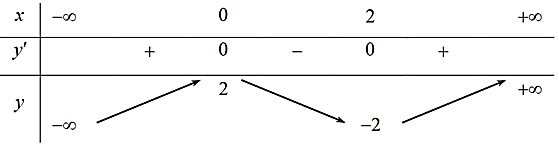
.
.
.
.
Lời giải
Bạn cần đăng ký gói VIP ( giá chỉ từ 250K ) để làm bài, xem đáp án và lời giải chi tiết không giới hạn.
Lời giải
Bạn cần đăng ký gói VIP ( giá chỉ từ 250K ) để làm bài, xem đáp án và lời giải chi tiết không giới hạn.
Câu 5
A. Mũi thuyền nhòe mơ hồ trong sương mù trắng pha ánh hồng.
B. Vài bóng người ngồi im phăng phắc trên mui thuyền.
C. Tấm lưới hiện ra như cánh dơi với ánh sáng hài hòa.
D. Tất cả các chi tiết trên.
Lời giải
Bạn cần đăng ký gói VIP ( giá chỉ từ 250K ) để làm bài, xem đáp án và lời giải chi tiết không giới hạn.
Lời giải
Bạn cần đăng ký gói VIP ( giá chỉ từ 250K ) để làm bài, xem đáp án và lời giải chi tiết không giới hạn.
 Nhắn tin Zalo
 Hỏi bài tập